Food Packaging, Waste and Nutrition: What You Need to Know
Food packaging plays a key role in both reducing food waste and affecting nutrition. While packaging helps preserve food and extend shelf life, it also contributes to environmental waste and can influence dietary habits.
What Is Food Packaging Waste?
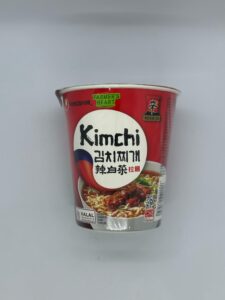
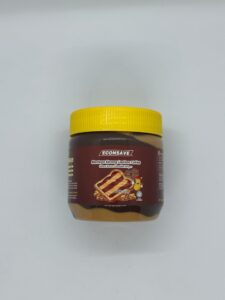
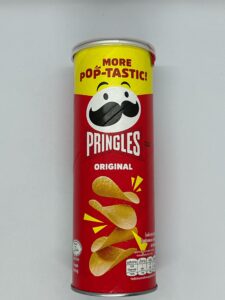
Food packaging waste refers to materials used to contain, protect, and transport food that are discarded after use, such as plastic containers, wrappers, and bottles. These materials often end up in landfills or the environment, contributing to pollution and long-term environmental impact.
How Food Packaging Affects Waste
While food packaging prevents spoilage and extends shelf life, it also generates significant material waste. Ultimately, its ability to reduce food waste must be balanced against the environmental impact of excessive plastic and single-use materials.
How Packaging Affects Nutrition
Packaged foods are often highly processed and lower in nutrients, which is why research frequently links them to poorer diet quality and health risks. Additionally, some packaging materials can leak harmful chemicals into the food they contain.
Why This Matters
Understanding food packaging, waste, and nutrition helps individuals make better choices:
- Choose less processed foods
- Reduce single-use packaging
- Store food properly to avoid waste
- Support sustainable packaging options
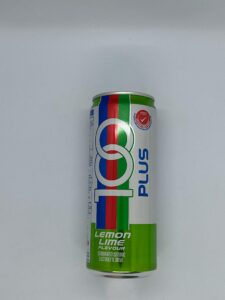
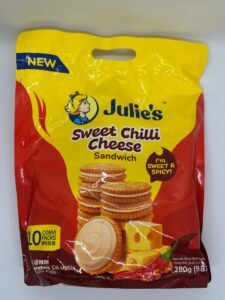
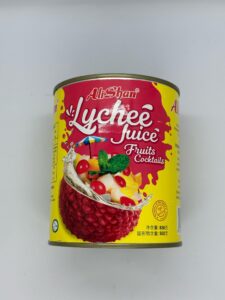
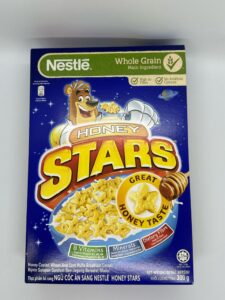
How sustainable is your grocery list? We’ve analyzed Malaysia’s top foods using the NoPollute Waste Index. Click any category below to reveal the data and choose a cleaner future.